spanish CLASSES IN KITCHENER-WATERLOOo
LEARN SPANISH ONE-ON-ONE OR IN SMALL GROUPS WITH AN EXPERIENCED, NATIVE-SPANISH-SPEAKING INSTRUCTOR
SPANISH is spoken globally by more than 520 million people as a first language in 21 countries, and as a second language in many large cities around the world. Spanish is invaluable for traveling, and as a strategic asset in today’s global economy.
iSpeakSpanish offers personalized instruction in Kitchener and Waterloo for Beginner to Advanced and Conversational students all year round in a friendly and relaxed environment.
Check our CALENDAR for upcoming courses.
Learn Spanish. Live the Culture!
Learning Spanish is about more than vocabulary and grammar. At iSpeakSpanish, you’ll also discover the customs, history, and traditions of the Spanish-speaking world. Juan, the founder and instructor at iSpeakSpanish is a native Latin American and and Ontario certified teacher who loves to talk about his culture with his students. His lessons are built for real-world communication to help them speak the language naturally, with good pronunciation and confidence.
From “Hola” to fluent Spanish. iSpeakSpanish is the place to start.
Apps like Duolingo can only take you part of the way. Many learners get stuck acquiring some vocabulary and understanding a few common phrases in Spanish, but not actually speaking the language in everyday situations.
You might feel now:
- Unsure how to start a conversation
- Afraid of making mistakes.
- Frustrated by slow progress.
You are not alone. There is a better way.
At iSpeakSpanish, you’ll learn through real interaction. Classes are adapted to your level and goals, and focused on speaking from day one.
Whether you’re a complete beginner or looking to improve your conversation skills, at iSpeakSpanish you’ll build confidence step by step.
Learn Spanish with iSpeakSpanish in the Kitchener-Waterloo area.
PRIVATE SPANISH LESSONS. REMOTE ONE-ON-ONE
Perfect for people with busy schedules or who prefer individual instruction with their teacher in the comfort of their offices or their homes. Students are able to reschedule their classes or shift meeting times when on holidays or having conflicting schedules.
Students meet on Zoom with their instructor for one hour class once a week for 10 weeks (10 lessons) during regular business hours (9 am to 5 pm).
Fees: $475. Includes all course material
CONTACT JUAN to book a free consultation or to register.
GROUPS. IN PERSON
Students meet with their instructor for a 2-hour class from 6 to 8 pm once a week for a total of 30 hours during a 10-week period. Saturday morning classes are available upon request. Please check our CALENDAR for upcoming courses and our PROGRAM for information about Beginners, Intermediate, Advanced, and Conversation courses.
FEES: $475 for a course of 10 lessons (10 weeks). Includes all course material.
CONTACT Juan to register.
Learning Spanish goes beyond the language itself
Spanish is an opportunity to explore the rich and diverse cultures of the Hispanic world. From Spain’s historical landmarks and traditions, to the vibrant and cultural festivities of Latin America, you will gain deeper insight into their customs, music, art, and history if you speak the language and are able to interact with local people during your visits.
In iSpeakSpanish we strongly believe that it is not possible to really understand and internalize a different language without understanding the culture, history, customs, values, ways of life, and perspectives of the people native to that language. Being a native speaker of Spanish and a Latin American myself proud of my culture, I love to bring into my classes the cultural component of the Hispanic heritage. Visit our BLOG and check our article, “How to learn Spanish Effectively” about culture as a powerful tool for learning Spanish.
A rich cultural diversity
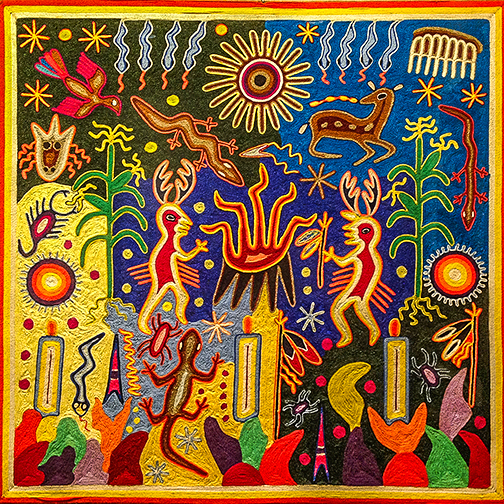
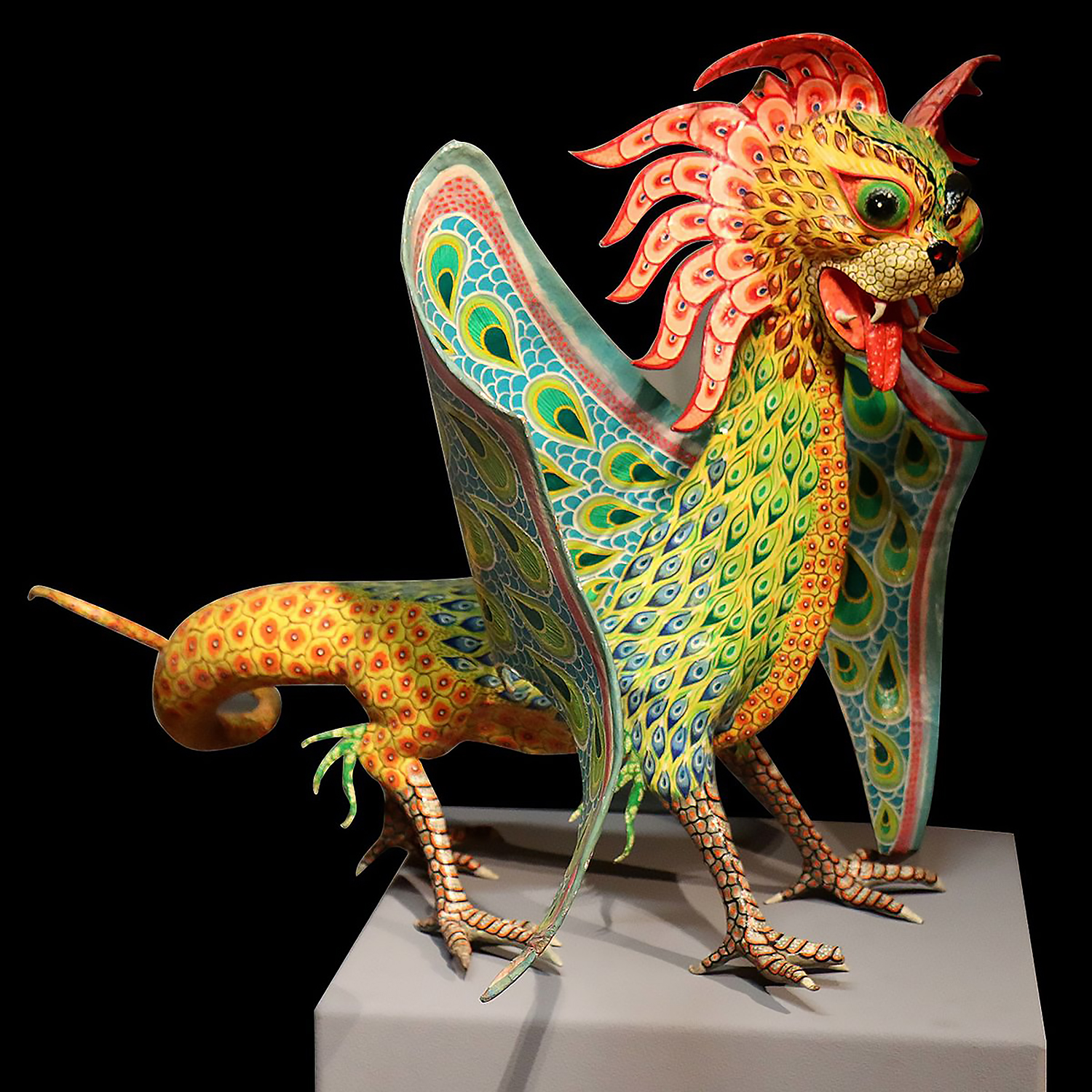
The Latin American art scene, especially Mexican folk art, is a melting pot of vibrant colours and unique motifs inspired by natural and supernatural worlds.
Mexican folk art is a democratic and inclusive form that decorates everything from everyday utensils to art galleries worldwide.
Folk art is handmade by people and their community, irrespective of class, religion, and gender. Pieces can be practical, decorative, used for religious ceremonies, or simply intended for sale
TEOTIHUCAN ARCHEOLOGICAL SITE.
State of Mexico. Photo, Juan Lopezdabdoub
SUMPANGO GIANT KITE FESTIVAL. Sacatepequez, Guatemala
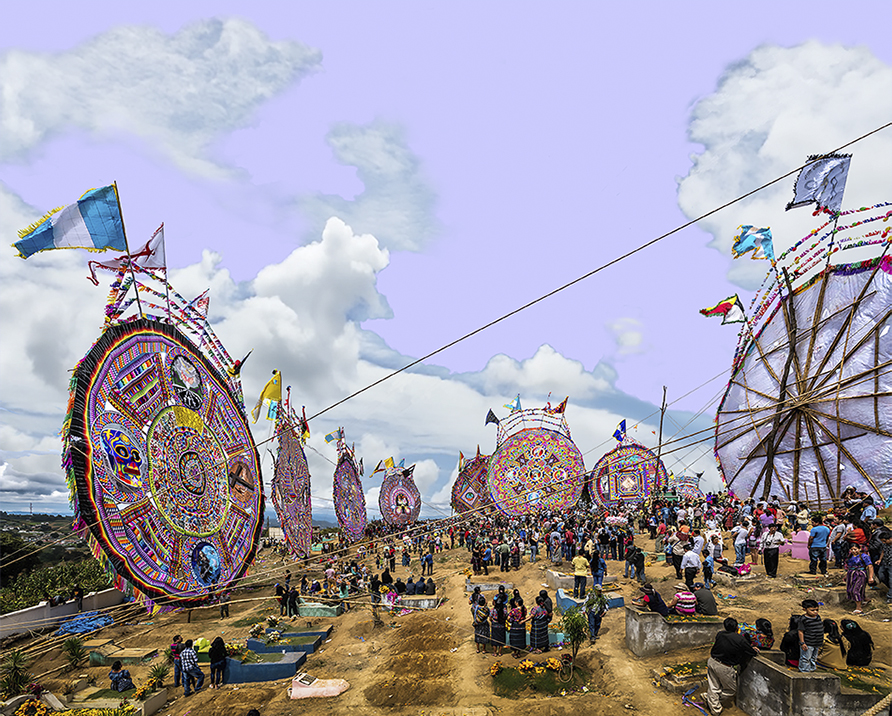
SUMPANGO GIANT KITE FESTIVAL
For the Mayan people, the Day of the Dead, or Día de Los Muertos, is an annual tradition bringing families together to honour those who have passed. Every November 1st, the cemeteries in Santiago and Sumpango in Sacatepequez, Guatemala (only 30 minutes from Antigua), see families pouring in from all over the country bringing orange flowers known to represent the dead and pray softly for their safe journey back to Earth from the afterlife.
Traditional and Modern Significance
The well-known tradition of Barriletes Gigantes is a cultural event for Mayan communities which dates back to the pre-Colubian era, a time before European influences were forced on the American Continent. According to the legend, the specifics of the design, weavings, and colours on kites helped the living communicate with their ancestors and assist them on their journeys back to Earth to visit family members without the interrruption of evil spirits.
Nowadays, the significant messages displayed in the kites have shifted from a desire to communicate with the dead, to one of peace, hope, and companionship for the living. The designs are influenced by current social movements, sometimes calling an end to violence or government corruption. Some of the messages displayed in recent years include, “No more deaths of innocent lives”, and “We all deserve the same respect.”